
WHY INDOOR SIGNAGE MATTERS MORE THAN YOU THINK
Indoor signage shapes how customers feel inside.
WHY INDOOR SIGNAGE MATTERS MORE THAN YOU THINK
You already won them at the door. Indoor signage decides what happens next.
 lovelyfasign.com
Someone walks through your door. For a second, nothing has been decided yet. They don't know where to go. They don't know what's on the left, what's upstairs, or where the billing counter is. They are, for a few seconds, a little lost inside a space that you know perfectly well. That gap – between walking in and knowing where to go – is where indoor signage lives. Most businesses spend enormous energy getting people through the door. The façade. The outdoor sign. The Instagram post. The ad. And then, once the customer is finally standing inside, they're handed... silence. That silence is expensive.
The Job Isn't Decoration. It's Direction.
Here's a small experiment you can try in your own space. Stand at your entrance and pretend you've never been there before. Where do your eyes go first? Do you know where the trial rooms are? Can you find the billing counter without asking someone? Is there any sign at all telling you where the restroom is? If the answer is "not really", you're not alone. A huge number of Indian retail spaces, showrooms and offices treat indoor signage as an afterthought — something to add after the shelves, the lighting and the furniture are finalised. Usually as an afterthought, literally the last invoice in the fit-out. But indoor signage isn't decoration sitting on top of a finished space. It is the space explaining itself.
Good Indoor Signage Disappears (In the Best Way)
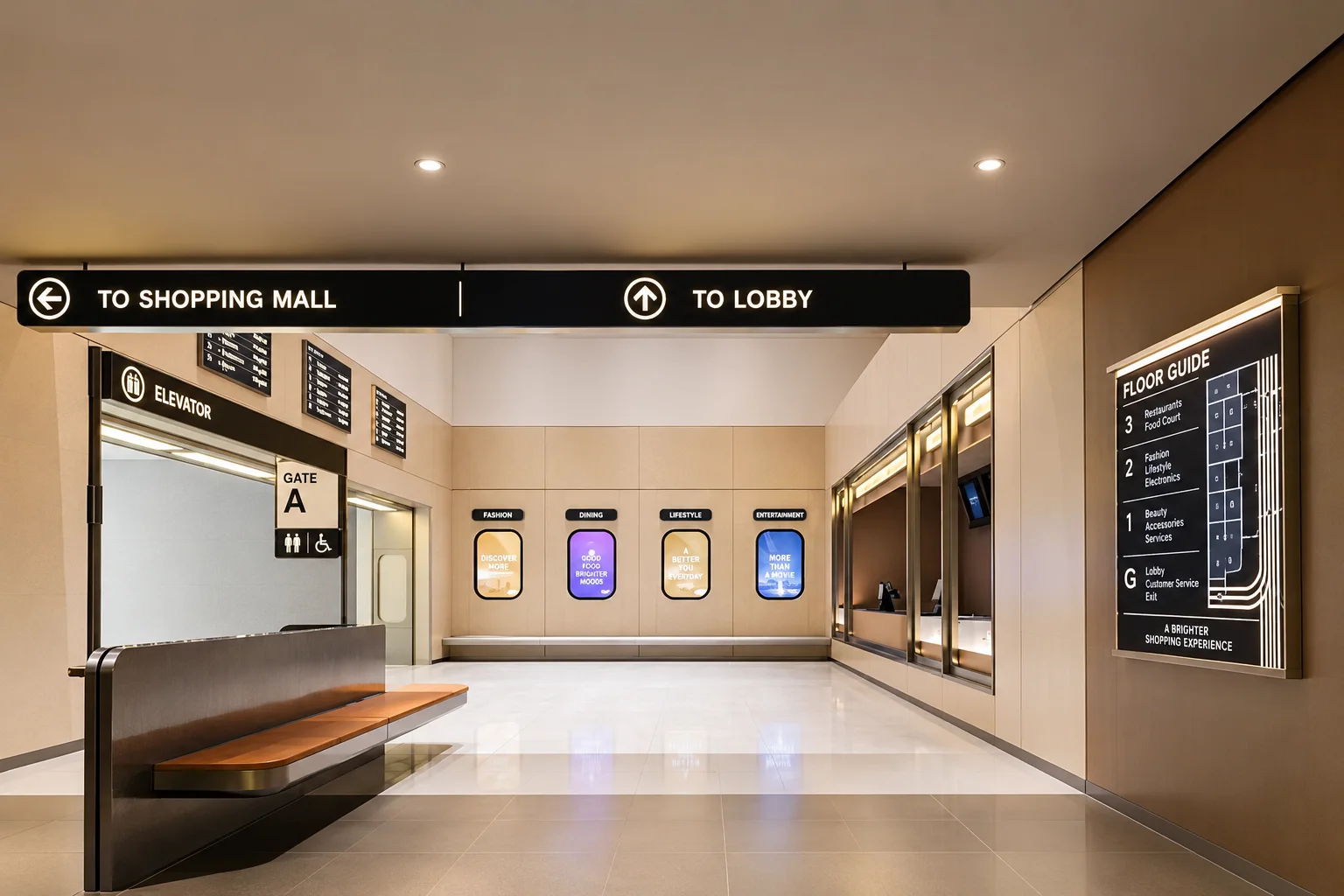
There's a strange thing about signage that works really well – you almost don't notice it. You walk into an airport, a mall, or a well-designed hospital, and somehow you just know where to go. You didn't read a manual. You didn't ask three different employees. The space itself told you, quietly, through arrows, icons, colour coding and clear names. That is wayfinding, and it's one of the most underrated parts of indoor signage design. Contrast that with a badly signed space – where every visit means asking someone for directions, wandering into the wrong section, or standing awkwardly near the entrance trying to figure out where reception actually is. One version of that experience makes people feel confident. The other makes people feel like a burden. Neither is an accident. Both were designed – one just wasn't designed on purpose.
Your Indoor Signage Is Talking, Whether You Planned the Script or Not
Think about what a name plate, a reception sign, or a directory board is actually communicating. A crooked, faded acrylic sign at reception says one thing about a business. A clean, well-lit, properly proportioned one says something completely different – even if the two companies sell exactly the same product. People form an impression of quality before they've experienced your actual product or service. Indoor signage is one of the fastest, cheapest ways to shape that impression – and one of the most commonly ignored.

A showroom with beautiful products but a scruffy directory board is quietly undercutting itself. A clinic with excellent doctors but no clear indoor signage for departments makes anxious patients more anxious. A restaurant with brilliant food but a confusing seating/queue system loses some of that goodwill before the first plate even arrives. The product is only half the experience. The space is the other half.
Indoor vs Outdoor: Two Very Different Jobs
It's worth pausing here, because the two often get treated as the same thing with a smaller budget. Outdoor signage has one job: get noticed from a distance, in a few seconds, often while someone is walking or driving past. Indoor signage has a completely different brief. The person is already inside. They're not glancing – they're looking. They have time to read a little more, but they also expect more precision: which floor, which counter, which department, which direction. Outdoor signage earns attention. Indoor signage earns trust. A business that gets loud, eye-catching outdoor signage right but ignores indoor signage is a bit like someone who dresses beautifully for a first date and then says nothing interesting once they're actually talking. The entrance was great. The conversation fell flat.
The Small Signs Nobody Notices (Until They're Missing)
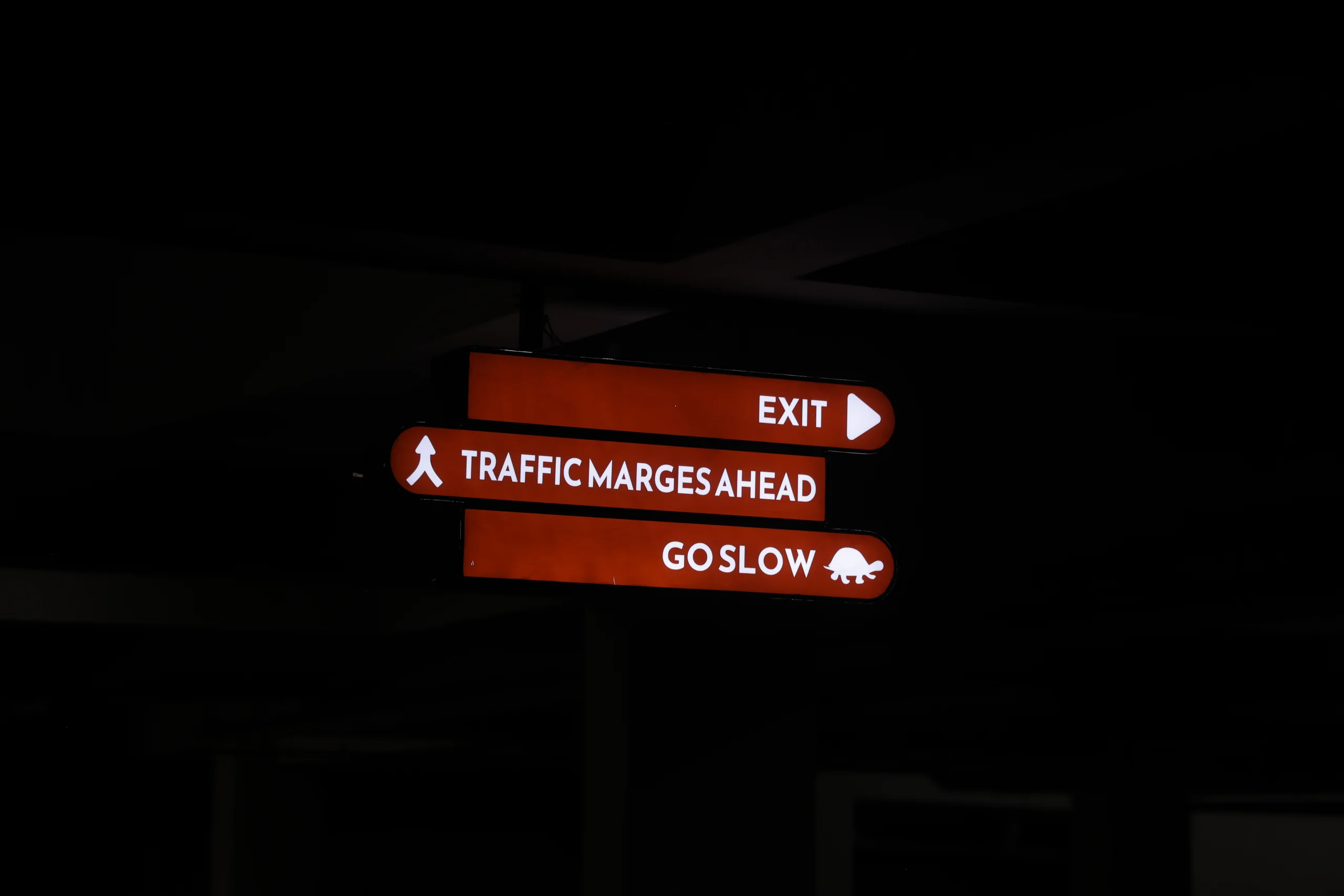
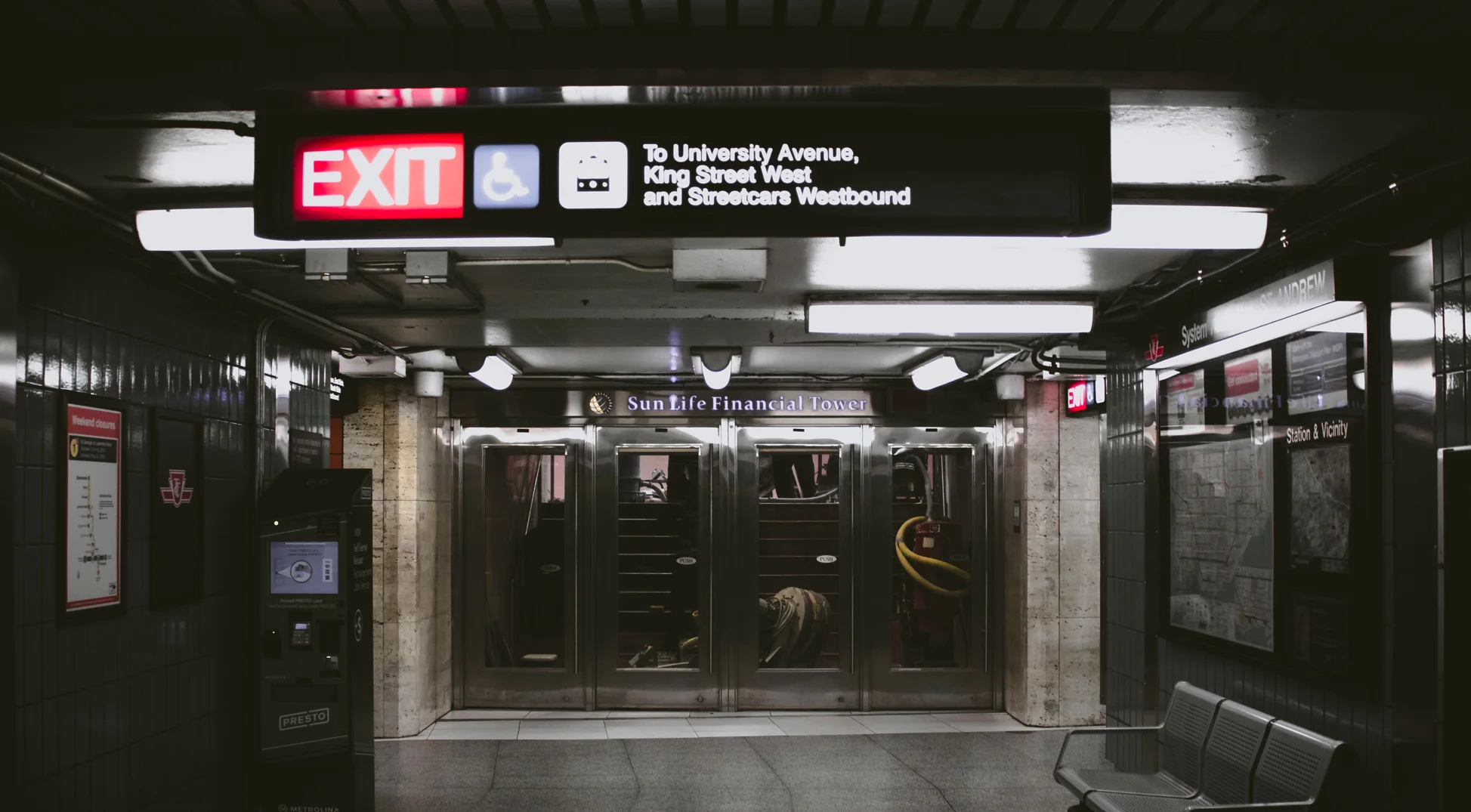
Some of the most important indoor signage in any space isn't dramatic at all. Floor and department directories. Restroom and exit signs. Reception and name plates. "Push/Pull" and counter-signs. Safety and compliance signage. Nobody walks into a building admiring the exit sign. But everyone notices – instantly, and with visible irritation – the moment one is missing or unreadable. That's the peculiar nature of good indoor signage: when it's done right, it's invisible. When it's missing, it's the only thing people remember.
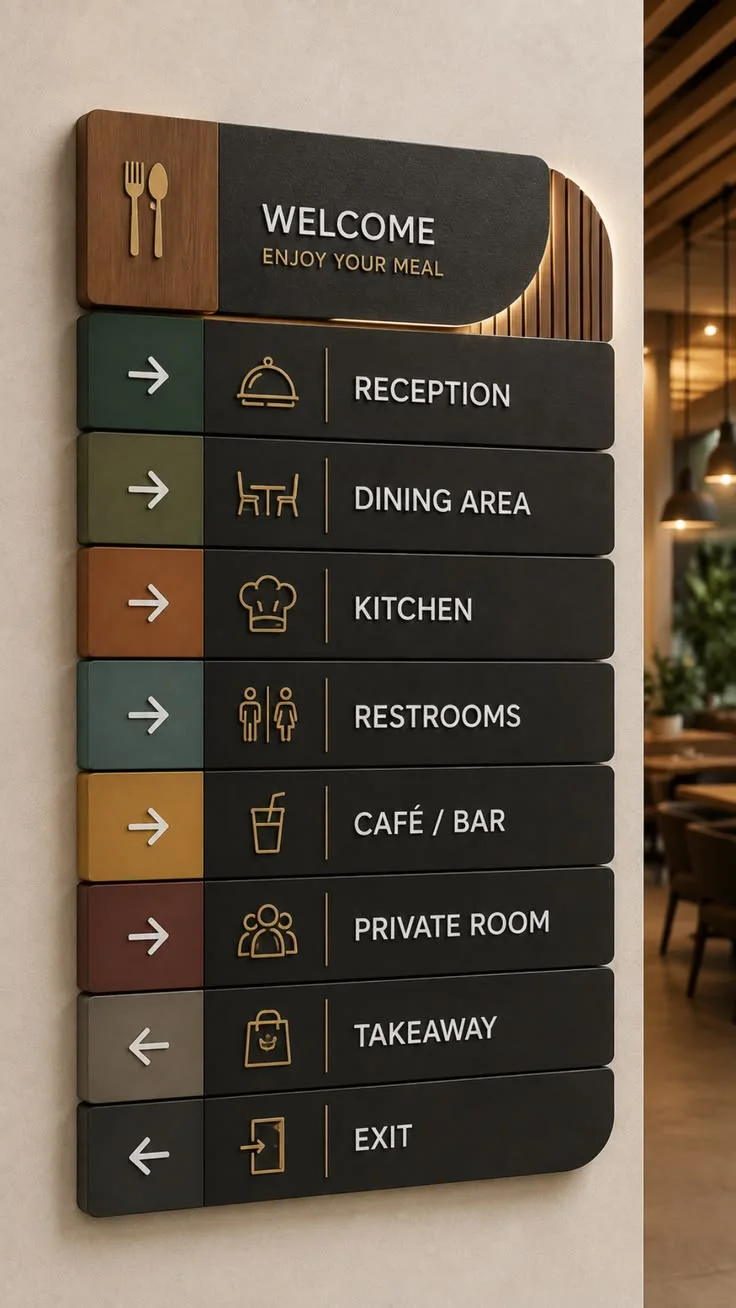
This is also where a lot of budget gets misallocated. Businesses will spend generously on one hero sign at the entrance and then treat everything after that as an afterthought – mismatched materials, inconsistent fonts, and signage added in stages by different vendors over the years. The result rarely looks intentional. It looks patched together, because it usually was.
Consistency Is the Quiet Superpower
Here's something most people underestimate: indoor signage is one of the last places brand identity actually gets a chance to show up in person. Your website has your fonts and colours locked in. Your social media does too. But inside your own physical space – the one place customers spend the most uninterrupted time with you – signage often reverts to whatever the printer had on hand. Same font family across every sign. Same colour palette as your logo. The same tone — formal, playful, minimal, or whatever fits the brand — carried consistently from the entrance to the last directional arrow near the exit. Done well, indoor signage doesn't feel like separate objects scattered around a building. It feels like the building is speaking in your brand's voice.
So, What Makes Indoor Signage "Good"?
There's no single formula, but a few things tend to show up together in spaces that feel effortless to move through: Clear hierarchy – the most important information is the easiest to spot. Consistent materials and fonts across every sign in the building. Enough lighting that nothing has to be squinted at. Placement that matches how people actually move, not just how the space looks on a floor plan. And restraint – not every wall needs a sign, and not every sign needs five lines of text. The goal was never to fill space. It was to remove confusion.
The Real Cost of Getting This Wrong
It's tempting to think of indoor signage as a small, forgettable line item somewhere near the bottom of a fit-out budget. But every confused customer, every "sorry, where's the counter again?", and every employee stopping their work to give directions for the fifth time that day – that's a small, repeated cost that never shows up as a single line on any invoice. Good indoor signage doesn't just look better. It quietly saves time, reduces friction, and makes a space easier to trust. And in a market where two businesses can sell nearly identical products, that quiet difference in experience is sometimes the entire reason someone becomes a repeat customer instead of a one-time visitor.
The Thought to Take Away
"Design is not just what it looks like and feels like. Design is how it works."
Steve Jobs
Indoor signage is the part of design most businesses forget is design at all. It isn't decoration hung on a finished wall. It's the difference between a space that works for people and a space that simply exists around them. The next time you walk into your own building, try to see it the way a first-time visitor would. Notice what you'd have to guess. Notice what nobody bothered to label. That's usually exactly where good indoor signage needs to begin.


Planning signage of your own?
Get a quote→