
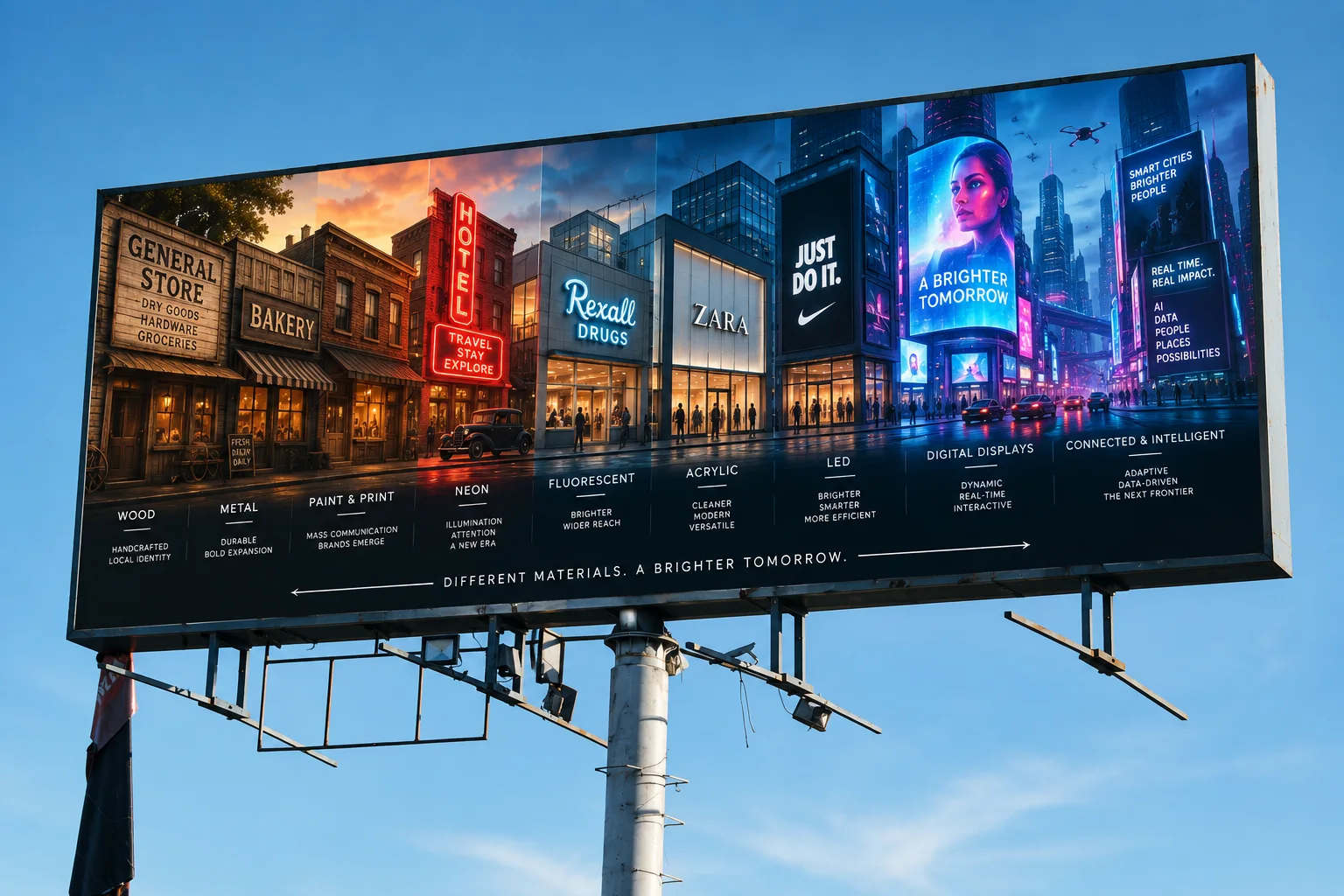
WHAT IF YOUR SIGN ISN'T A SIGN AT ALL?
A history of outdoor signage, the psychology of being noticed, and why the future of business may depend on what people remember after they look away.
“Marketing is no longer about the stuff that you make but about the stories you tell.”
Seth Godin
There is a moment, almost too small to notice, when you pass a shop for the first time. You do not stop. You may not even consciously read its name. Perhaps you are driving through traffic in Ahmedabad. Perhaps you are walking along a crowded market street. There are people crossing the road, scooters passing, conversations spilling out from shops, and advertisements competing from every direction. Your phone is in your hand. Your mind is somewhere else. And then, for half a second, something makes you look up. A particular colour. A glowing letter. A strange shape. A name you recognise. You look. Then you keep moving. That tiny moment is where outdoor signage begins. Not with acrylic. Not with aluminium. Not with LEDs. Not even with advertising. With attention. And attention, perhaps more than anything else, has become one of the most valuable things a business can earn.
Before There Were Brands, There Were Signs.
Imagine a city before shop names were everywhere. A traveller arrives in a marketplace. He cannot search Google. There are no maps on his phone, no illuminated logos, and no neatly printed store fronts. He needs to know where to buy something, where to stay, where to eat, and where to go. So the world begins to leave clues for him. A symbol. An object. A painted image. A distinctive mark above a doorway.
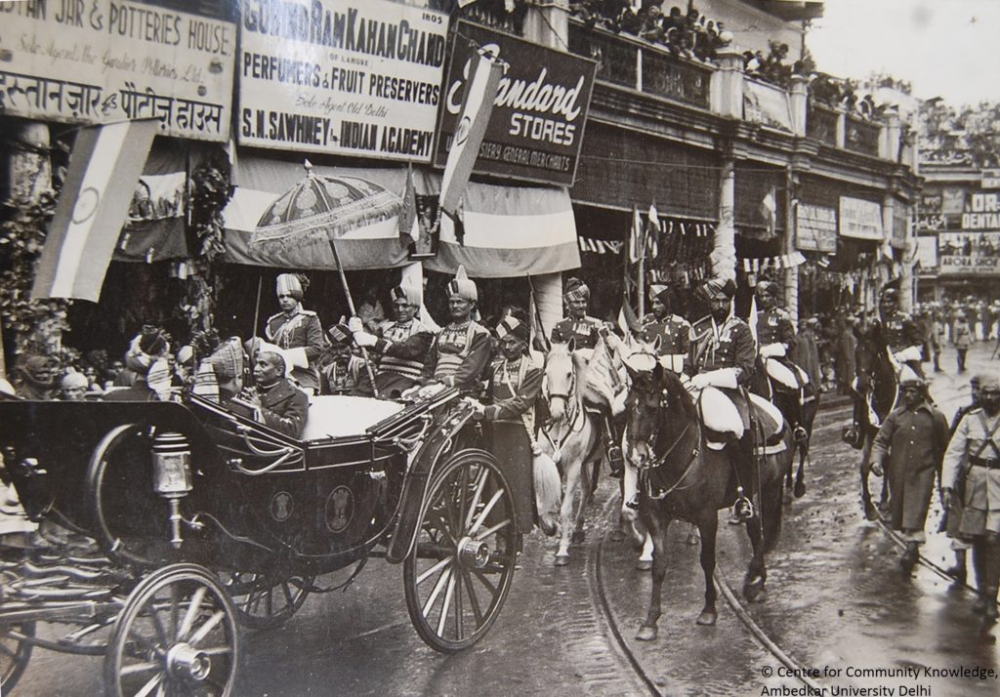
Long before modern advertising, visual signs were helping people identify places and trades. As permanent shops replaced temporary stalls and streets became denser, signs became part of the character of those streets themselves. Research into the history of shop signs describes this progression from early symbolic identification to the increasingly commercial and digital signs of the modern city. The idea was wonderfully simple: If people cannot find you, you do not exist to them. That problem has survived every technological revolution since. Only the solution has changed.
Then the City Became a Competition
The Industrial Revolution changed the scale of everything. More people moved into cities. More shops appeared. Products could be manufactured in enormous quantities and sold far beyond their place of origin. Printing made images reproducible. Advertising began occupying walls and public spaces. The street itself became commercial territory. By the nineteenth century, purpose-built surfaces for posters and billposting were spreading through growing cities, turning parts of the urban environment into organised spaces for commercial communication. The debate was no longer simply about whether advertising worked; people were already arguing about what advertising should be allowed to do to the appearance of the city. That argument should sound strangely familiar. Because we are still having it. How much signage is too much? When does visibility become clutter? When does branding improve a street, and when does it suffocate it? The technology changes. The argument remains.
And Then Someone Lit the City
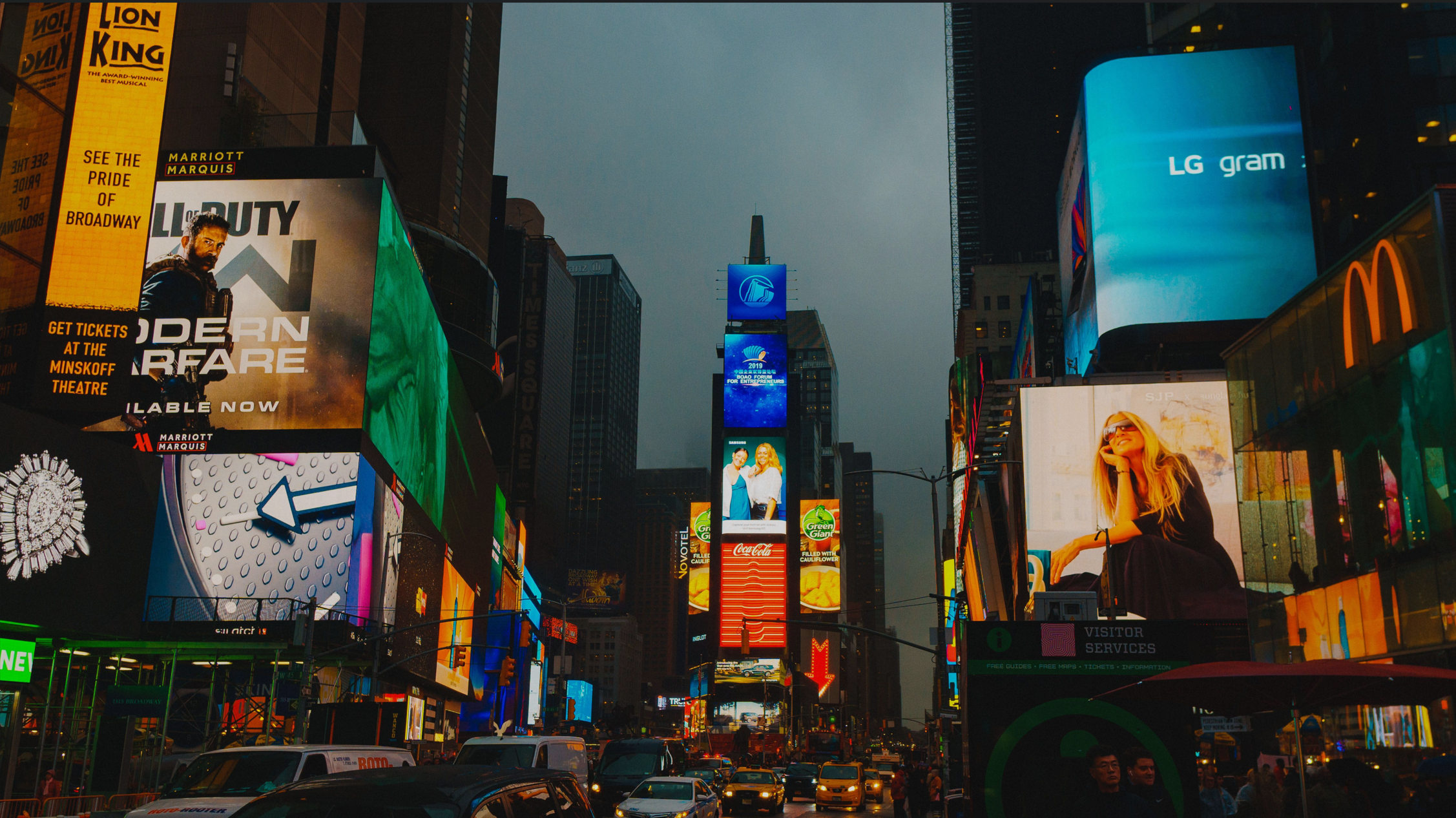
There is something almost magical about the first time a dark street becomes illuminated. In 1910, Georges Claude demonstrated the commercial potential of neon in Paris. Within years, neon had travelled across continents, becoming one of the defining visual technologies of twentieth-century commercial streets. When neon first appeared, people were reportedly so fascinated by it that they stopped to look, sometimes creating traffic problems around newly installed signs. Think about that for a moment. People stopped traffic to look at a sign. Not because the sign contained an important piece of information. Because the sign itself was extraordinary. Neon changed the night. Hotels, cinemas, restaurants and entertainment districts could now announce themselves against darkness. Streets acquired personalities after sunset. Certain signs became landmarks rather than advertisements. And eventually, some signs became part of the memory of entire cities. New York's surviving neon signs, for example, are now valued not merely as advertising remnants but as pieces of urban history and cultural memory.
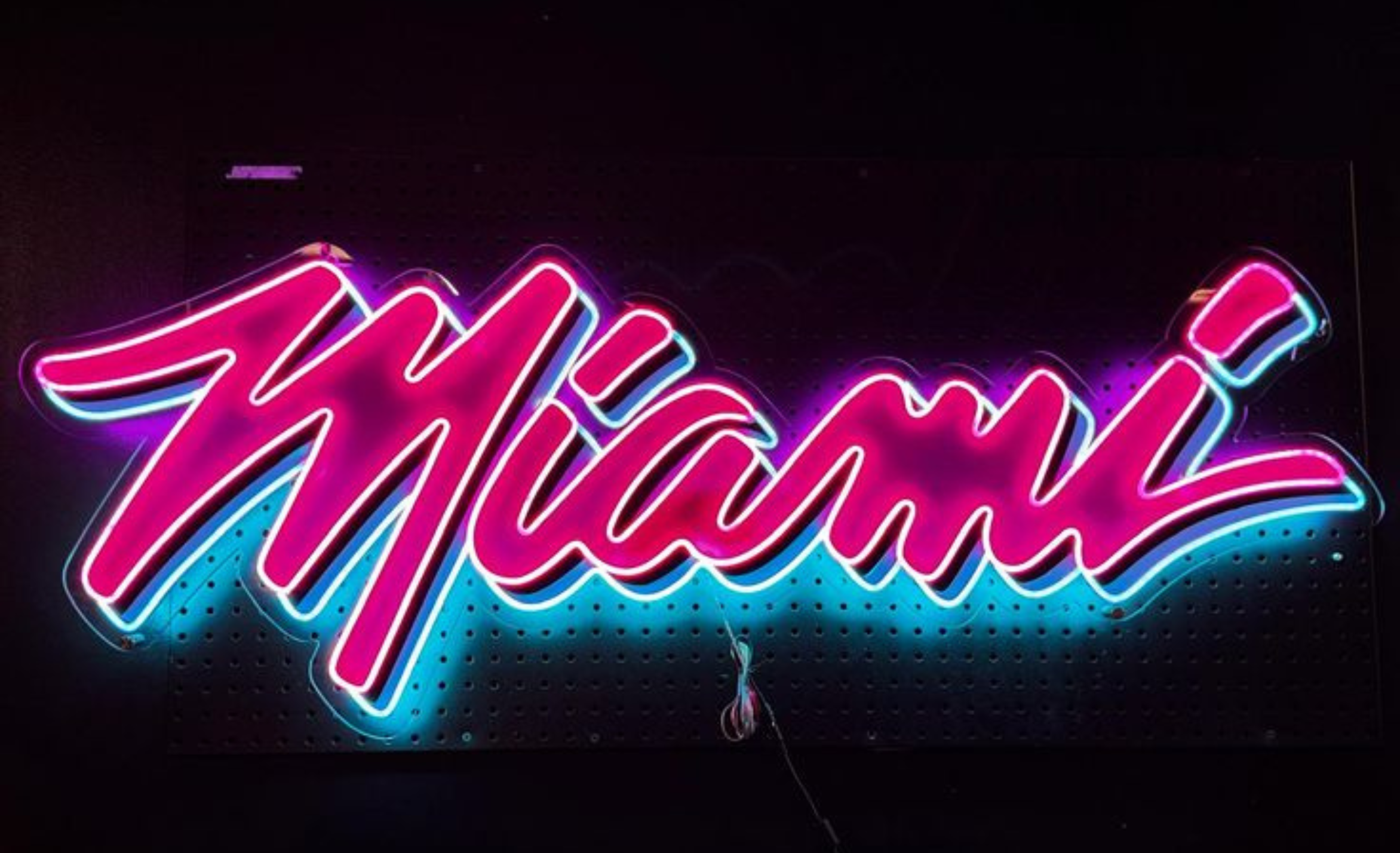
 pexels.com
This is where signage becomes more interesting than advertising. A sign can sell something. But a great sign can become something people remember.
What Makes You Look Up?
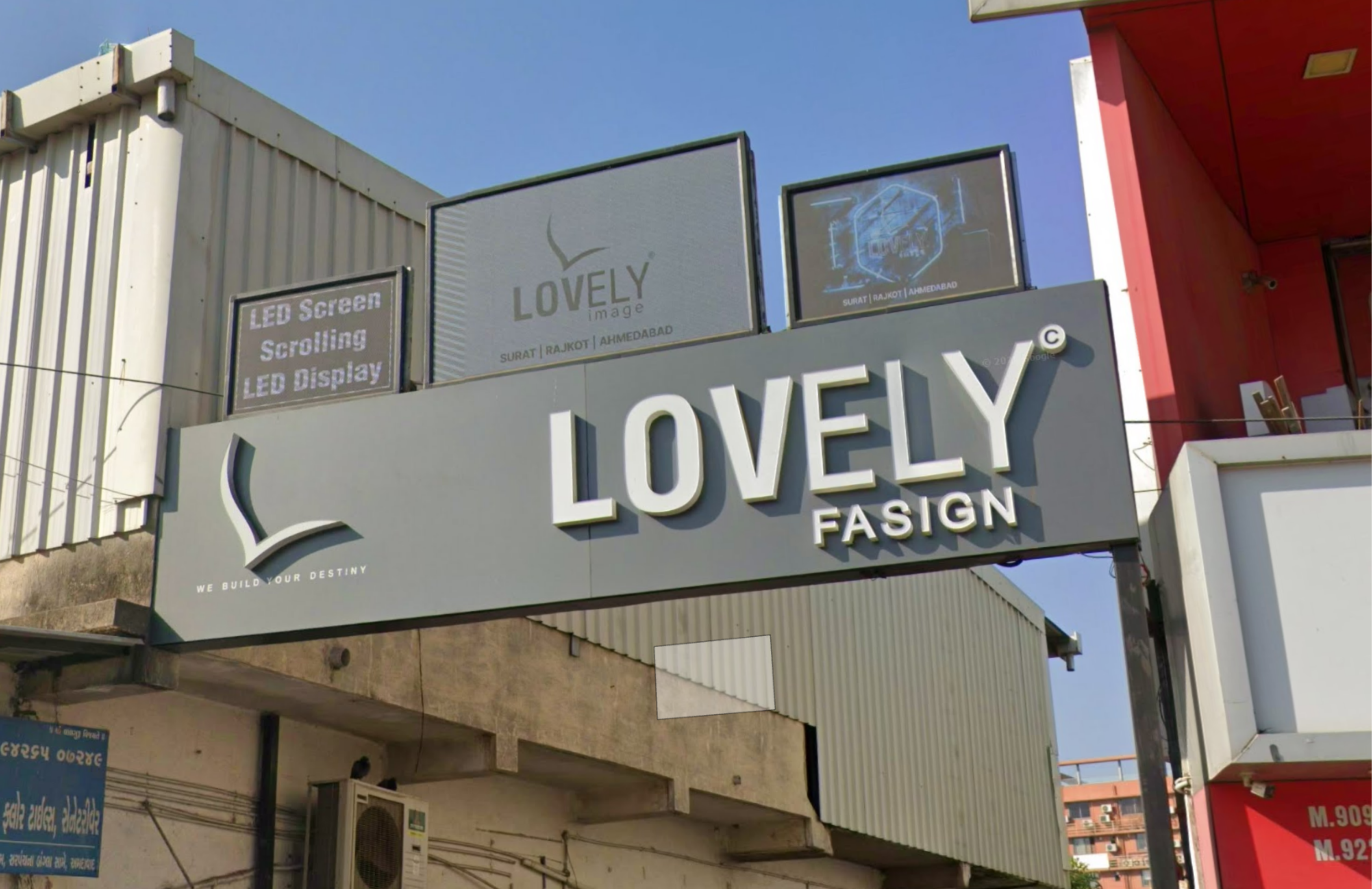
Now return to that Ahmedabad street. Why did you notice one sign and ignore twenty others? Because the human eye is not a camera. It does not record everything equally. We move through the world filtering an extraordinary amount of information. A sign must therefore compete with architecture, vehicles, people, light, movement and thousands of other visual signals. Colour can distinguish. Contrast can interrupt. Scale can command. Light can separate an object from its surroundings. Movement can demand attention. Typography can make recognition effortless – or make it impossible. But there is a deeper distinction. Getting noticed is not the same as being remembered. A sign may flash brightly before the eyes and disappear from the mind seconds later. Another may be quieter, but its shape, colour or lettering becomes familiar. Eventually, the person does not need to read it. They simply know. That is the moment when signage stops functioning merely as information and begins functioning as brand memory.
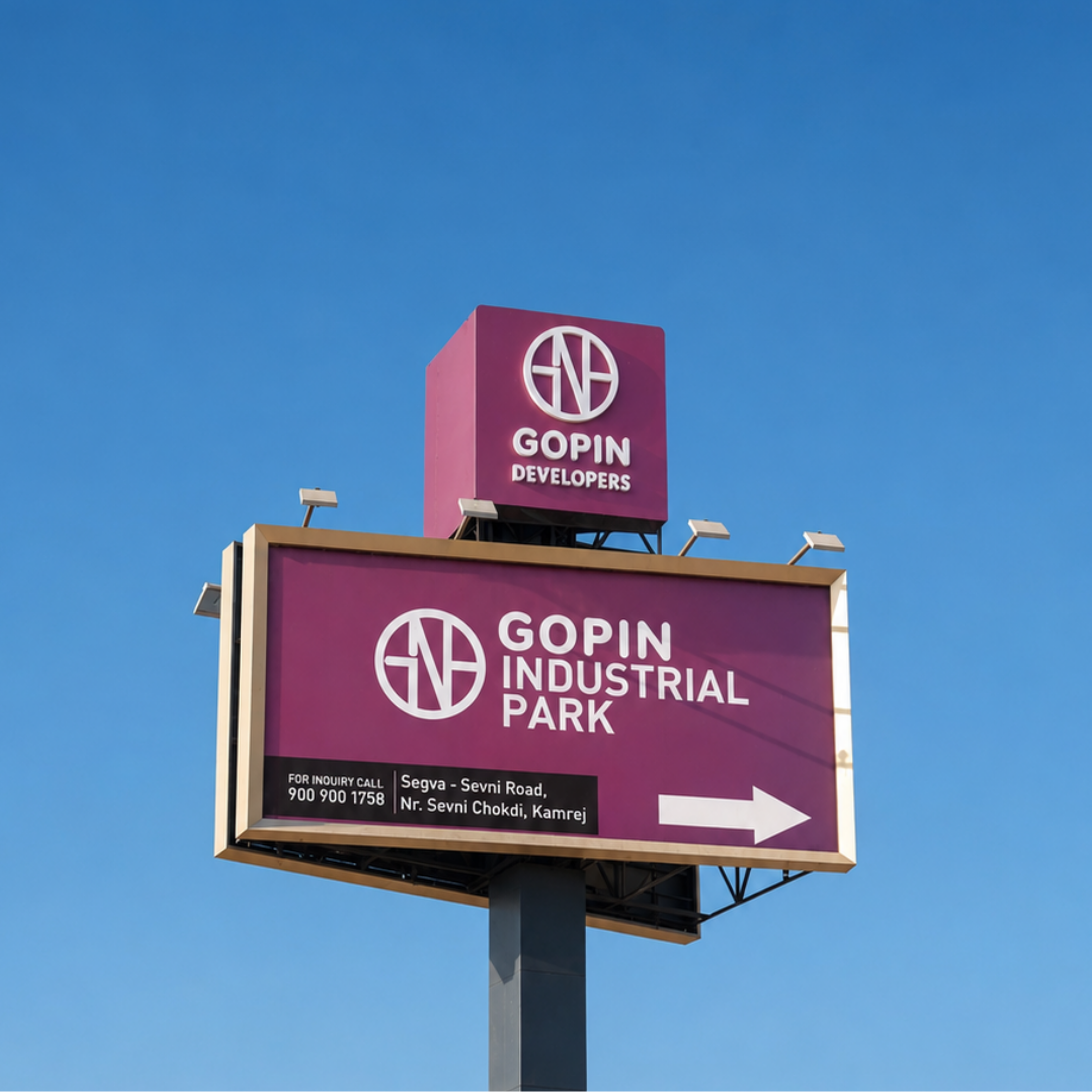
 lovelyfasign.com
The Most Valuable Part of a Sign May Be the Part You Don't Read
Think about the brands you recognise from a distance. Often, you recognise them before reading the entire name. A colour. A particular letterform. A familiar shape. A symbol. A distinctive arrangement of elements. The brain is extraordinarily good at recognising patterns. That is why visual identity can become so powerful in physical environments. Outdoor signage gives a brand something digital advertising cannot completely reproduce: a permanent physical presence in a particular place. An advertisement on your screen disappears when you scroll. A shopfront does not. It waits. Tomorrow morning, it is still there. Next week, it is still there. Six months later, you may find yourself recognising it without remembering when you first saw it. This quiet repetition matters. A business can become familiar simply by becoming part of someone's daily visual landscape.
 pexels.com
The Street Is Now an Attention Economy
Look at any busy commercial road. Everyone wants to be seen. One business becomes larger. Another becomes brighter. Another adds LEDs. Another adds movement. Another adds more words. Another adds another colour. Soon the street becomes a conversation in which everybody is shouting. And when everybody shouts, nobody sounds particularly loud. This is one of the great problems of contemporary outdoor signage. Visibility has become abundant. Attention has not. The challenge is no longer simply to make a sign visible. It is to make it meaningfully visible. A large sign that cannot be understood is weak. A beautiful sign that cannot be read from the road is weak. A technically impressive sign that looks exactly like every competitor is weak. The strongest signage understands something surprisingly human: People do not want more information. They want the right information, at the right moment, in a form their minds can grasp quickly.
Why This Matters More Than Ever for a Business?
For a physical business, the sign may be the first conversation. Before the customer enters the showroom, the sign has already spoken. Before someone meets the salesperson, the sign has already created an impression. Before someone searches the company online, the building may already have introduced the brand. This is why outdoor signage is not simply an expense attached to a building. It is part of the business's public identity. A thoughtful sign can make a building easier to find, a brand easier to remember and a shopfront easier to distinguish from its neighbours. A careless one can do the opposite. And in a crowded commercial environment, being overlooked is not neutral. Someone else gets remembered instead. That is the subtle FOMO of signage. Your competitor does not necessarily need a better product to occupy more space in someone's memory. Sometimes they only need to be seen more clearly, more consistently and more memorably.
Ahmedabad Is Writing Its Identity in Light
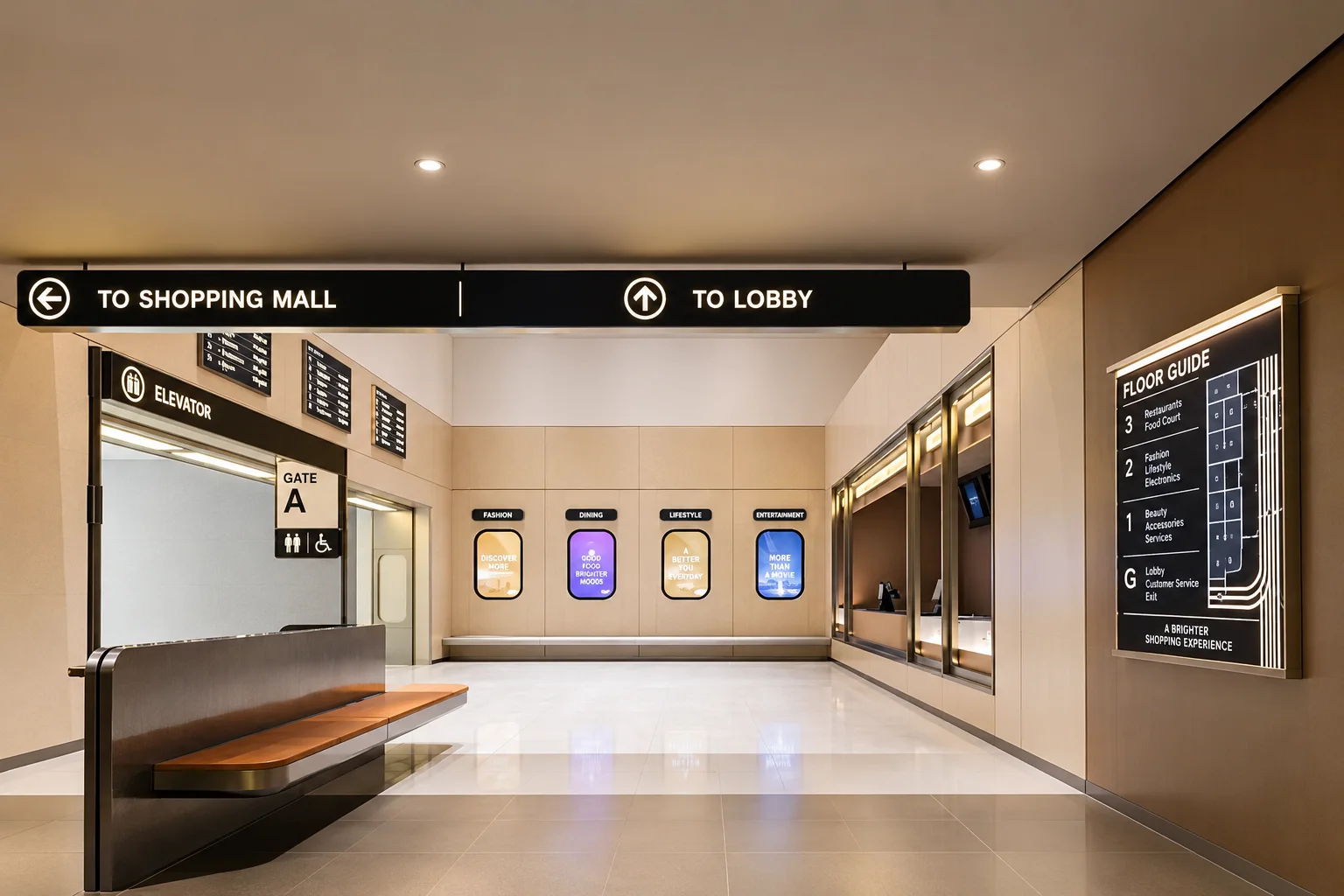
Spend an evening moving through Ahmedabad and watch the city after sunset. The older streets begin to mix with newer commercial corridors. Traditional businesses sit beside contemporary showrooms. Restaurants, hospitals, retailers, offices and real estate developments all speak through their façades. Some signs disappear into the street. Others become landmarks. That difference is rarely accidental. A sign belongs to its environment. A roadside showroom viewed from moving traffic has a different visual problem from a shop hidden inside a dense market. A premium retail brand needs a different expression from a neighbourhood business. The sign must negotiate with the building, the road, the distance, the light and the people passing by. Ahmedabad's outdoor advertising policy also recognises this relationship between signage, public space, visual clutter, traffic and the built environment. A good sign, then, does not merely sit on a street. It participates in the street.
From Neon to LED - and Now to Something Else
The history of outdoor signage looks, at first, like a history of materials. Wood became metal. Paint became print. Neon gave way to fluorescent systems. Acrylic became widespread. LED transformed illumination. Digital displays made messages changeable. But there is another way to read this history. The sign has gradually moved from being an object to being a communication system. A traditional sign says, 'This is who we are.' A digital sign can say, 'This is what we want you to know right now.' That difference opens the door to the next generation of outdoor signage – connected displays, dynamic content, intelligent systems and increasingly adaptive visual communication. The boundary between architecture, advertising and technology is becoming thinner. And that raises an uncomfortable question.
If Everything Can Scream, What Will Make Us Listen?
The future of signage is not necessarily going to be a world of bigger screens. It may be a world of better decisions. As public spaces become saturated with moving images and digital messages, restraint could become a competitive advantage. When everything glows, darkness becomes interesting. When everything moves, stillness becomes noticeable. When every business tries to look different, clarity becomes distinctive. Perhaps the future sign will not be the one that demands the most attention. Perhaps it will be the one that understands attention best.
So, What Is an Outdoor Sign Really?
It is tempting to answer with materials. Acrylic. ACP. Metal. LED. Neon. Vinyl. Digital display. But those are only the things from which a sign is made. The sign itself is something less tangible. It is the instant in which a stranger realises that a business exists. It is the moment a familiar colour appears at the edge of someone's vision. It is the landmark someone uses to explain where they are. It is the shopfront they remember from yesterday. It is the name that becomes familiar because it has occupied the same corner for years. It is a small piece of a business placed into the memory of a city. And perhaps that is why the history of outdoor signage is so much more than the history of signboards. It is the history of human beings trying to be found. Today, every business is competing in two worlds at once: the digital world of screens and the physical world of streets. The digital world can make you searchable. But the street can make you familiar. And familiarity has a peculiar power. Because sometimes a customer does not choose the business they know the most about. They choose the business that, somehow, feels like they have seen before. That feeling may have begun with nothing more than a sign. A glance. A colour. A name. A few illuminated letters above a doorway. And in a city full of businesses trying to be noticed, that tiny moment may be worth more than we think. Because the real purpose of outdoor signage has never been simply to say, “We are here.” It is to make sure that, when people pass by, they remember that you were.
 lovelyfasign.com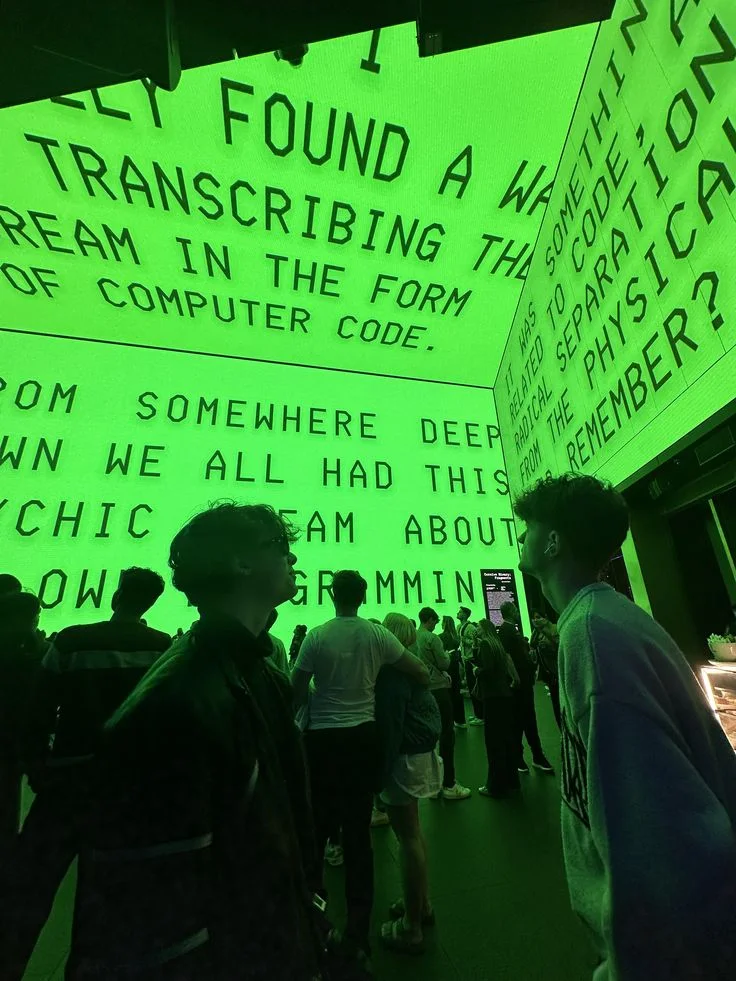
Planning signage of your own?
Get a quote→