
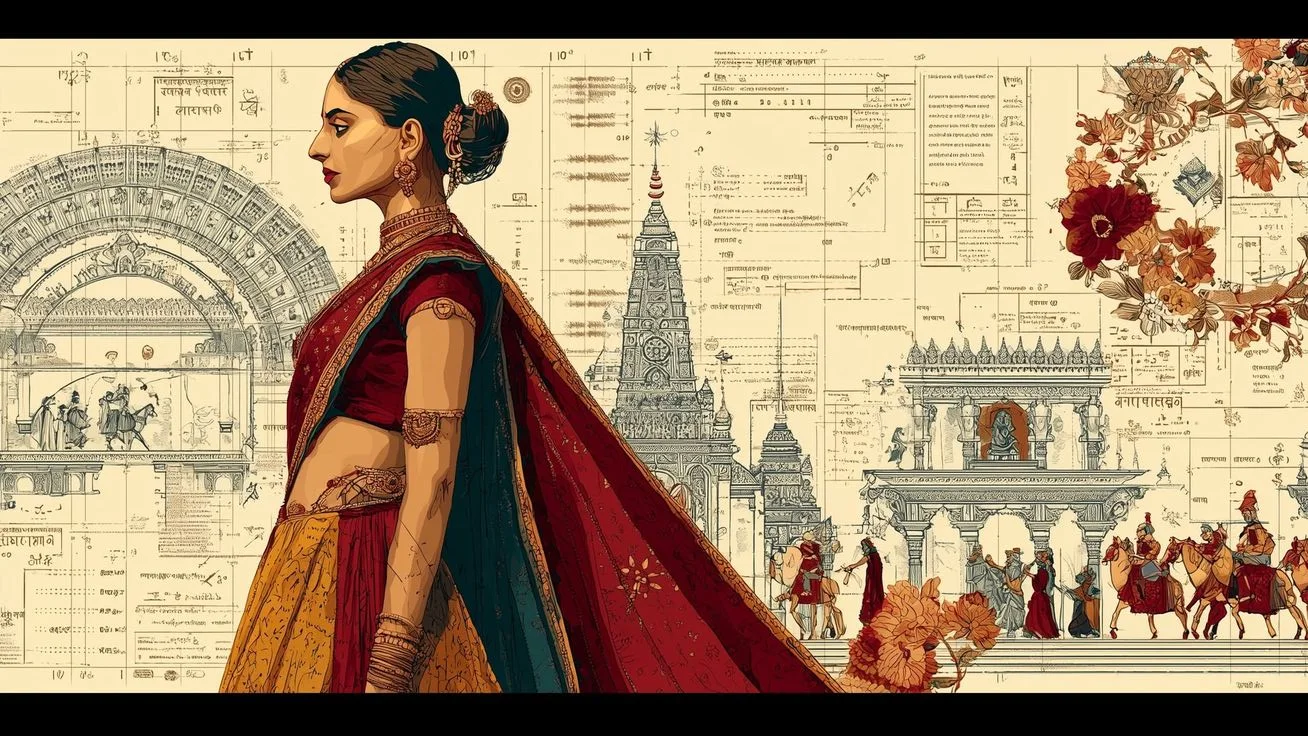
THE HISTORY OF ADVERTISING
How Humans Learned to Sell Attention, Ideas, and Desire.
"I do not regard advertising as entertainment or an art form, but as a medium of information."
David Ogilvy
There is a strange little ritual that almost every human being performs every day. We wake up, look at a screen, walk past a sign, enter a shop, scroll through a feed, hear a familiar jingle, notice a logo, read a headline, pass a billboard, watch a video, open an app – and somewhere inside all of that noise, thousands of commercial messages are quietly asking for a fraction of our attention. Most of them disappear. A few remain. And occasionally, one becomes unforgettable. That is the mystery at the heart of advertising. Why do businesses spend enormous amounts of money telling us about products that may already be excellent? Why does a company with a genuinely good product still need a billboard, a television commercial, a social-media campaign, a newspaper advertisement, a digital banner, or a beautifully designed sign? Because a great product can exist without being noticed. And in a crowded world, being unnoticed can be almost as damaging as being unknown. Advertising exists in that uncomfortable space between having something to offer and being chosen. It is where business meets psychology, where design meets human behaviour, where creativity meets commerce – and where a simple message can become a memory.
Before Advertising, There Was Something More Primitive: Being Seen
Long before marketing departments, advertising agencies and digital campaigns existed, humans had already discovered one fundamental commercial principle: If people do not know you exist, they cannot choose you. Ancient merchants announced their goods. Traders called out in marketplaces. Craftsmen displayed symbols outside their workshops. Shopkeepers used painted signs to identify what they sold. The medium changed. The instinct did not. A merchant standing in a marketplace saying, “Fresh bread here!” was already doing something remarkably sophisticated. He was competing for attention. He was identifying an audience. He was communicating an offering. And he was attempting to influence a decision. In other words, he was advertising. The earliest history of advertising stretches back thousands of years, while the development of printing dramatically expanded the ability to reproduce commercial messages. One commonly cited milestone is William Caxton's 1472 advertisement for a book, often described as one of the earliest examples of printed advertising in English. But the real story of advertising is not simply a history of paper, ink, radio waves, television screens or smartphones. It is the history of human attention.
From Marketplace Voices to Printed Words
For centuries, commerce was largely local. If a person owned a shop, people around the shop were the audience. The marketplace was the medium. The voice was the advertisement. The sign above the door was the brand identity. Then something extraordinary happened. Printing changed scale. With the development and spread of printing technology, commercial messages no longer had to be created one at a time. A message could be reproduced and distributed across a much larger geographical area. Newspapers became powerful advertising spaces. Magazines followed. Posters became increasingly sophisticated. The illustration entered commercial communication. Typography became part of persuasion. Colour became part of attraction. And advertising slowly began to move from simply announcing what was available toward explaining why someone should want it. That distinction changed everything. A merchant could say : "We sell soap.” An advertiser could say : “This soap will make you feel cleaner, fresher, more beautiful, and more modern.” The product had not necessarily changed. The meaning surrounding the product had. And that is one of advertising's greatest discoveries.
The Industrial Revolution Created a New Problem
The Industrial Revolution transformed advertising because it transformed production. Factories could produce enormous quantities of goods. Railways could transport them. Cities grew. Markets expanded. Competition intensified. Suddenly, businesses were no longer competing only with the shop next door. They could be competing with companies hundreds or thousands of kilometres away. A product could be manufactured in one place, packaged in another, advertised nationally and sold to people who had never seen the factory that produced it. Mass production created a new question: How do you make a mass-produced product feel personally relevant to millions of individuals? Advertising became one of the answers. Brands began developing names, symbols, packaging, slogans and visual identities that could distinguish one product from another. The product was no longer simply an object. It became a brand. And the brand could carry a promise of quality and status. Comfort, beauty, speed, safety, luxury, youth, freedom, belonging, and even identity. Advertising was beginning to sell something much larger than products. It was selling associations.
The Rise of the Billboard: When Advertising Left the Page
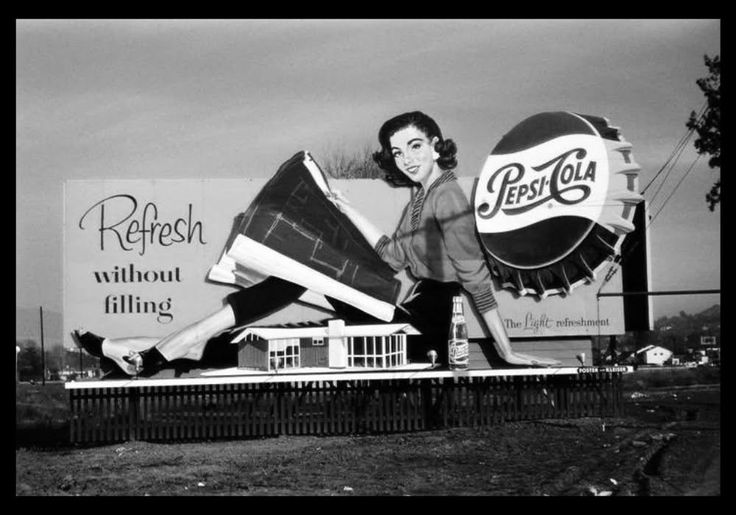
There is something fascinating about a billboard. A newspaper waits for you to open it. A magazine waits for you to turn the page. A website waits for you to visit. A billboard does not. The world brings the advertisement to you. As cities expanded and transportation networks developed, outdoor advertising became increasingly important. Billboards appeared along roads and highways. Posters occupied walls. Shopfront signs became larger and more sophisticated. Neon transformed streets after dark. Outdoor advertising became part of the physical landscape. And suddenly, advertising was no longer confined to something people deliberately picked up. It was everywhere they went. This is one of the reasons outdoor advertising remains so powerful. A person may ignore an advertisement online. They may skip a video. They may turn a newspaper page. But a strategically placed billboard exists in the environment itself. It becomes part of the journey. Part of the street. Part of the skyline. Sometimes, part of the memory of a place.
Advertising Learns to Speak Through Light
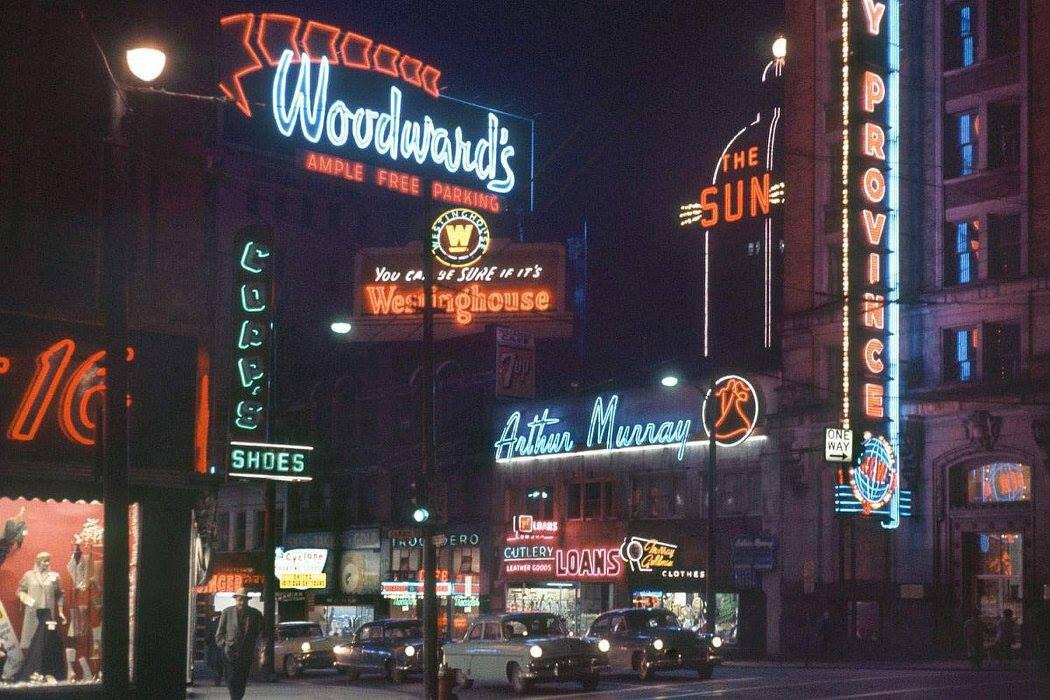
The twentieth century introduced another remarkable transformation. Electricity changed the visual language of cities. Neon signs turned commercial messages into glowing landmarks. Restaurants, cinemas, hotels, theatres, retailers and businesses began competing not only with words but also with light. Advertising became architectural. A sign was no longer simply a label. It could become an attraction. A building could become an advertisement. A street could become a gallery of commercial identity. This was an important moment in the evolution of signage and advertising. because businesses discovered something that remains true today: visibility has value. A beautifully designed sign can tell people that a business exists before they know anything else about it. And sometimes, that first impression determines whether they walk inside.
Then Came Radio: Advertising Found a Voice
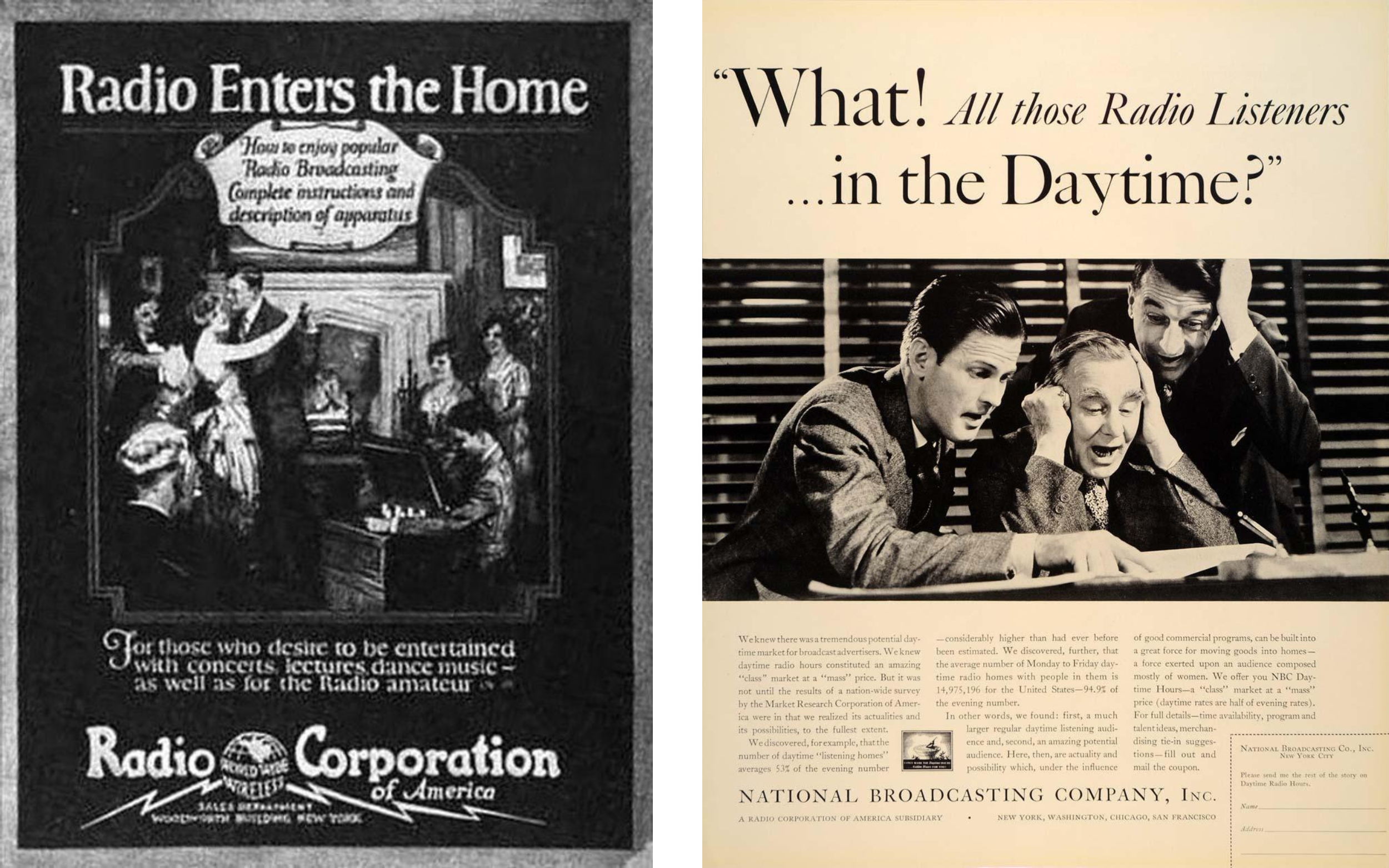
Radio introduced something print could not reproduce in the same way: the human voice. Advertising could now enter people's homes. It could use tone. Rhythm. Music. Humour. Storytelling. Sound effects. A voice could make a brand feel warm, authoritative, humorous, sophisticated or trustworthy. The advertisement was no longer merely something to read. It became something to hear. And advertisers discovered another extraordinary principle: People do not only remember information. They remember how information made them feel.
Television Turned Advertising Into Theatre
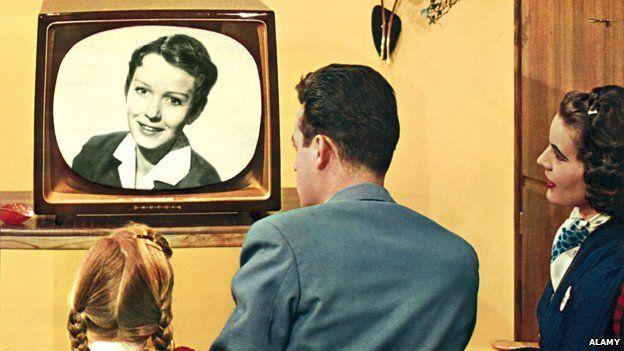
Then came television. And advertising became visual storytelling. For the first time, brands could combine: image + movement + sound + music + dialogue + emotion. The advertisement could demonstrate a product. Show a family using it. Create a problem. Present a solution. Make people laugh. Make them cry. Make them aspire. Make them remember. Television advertising became one of the defining cultural forces of the twentieth century. Some commercials became almost as culturally recognisable as the products themselves. And that revealed something profound: The advertisement was no longer simply supporting the product. It was becoming part of culture.
Advertising Stopped Selling Products and Started Selling Possibilities
Think about some of the world's most memorable advertisements. Often, they do not spend the entire commercial explaining specifications. They sell a feeling. A car can become freedom. A watch can become an achievement. A perfume can become a desire. A sports shoe can become determination. A smartphone can become creativity. A house can become security. A cup of coffee can become companionship. This is not an accident. Research into advertising psychology repeatedly identifies attention, emotion, memory, perception, motivation and reward as important components of how people respond to advertising. And there is a particularly important relationship between emotion and memory. What we feel can influence what we remember. That is why the most powerful advertisements are often not the ones that simply provide the most information. They are the ones that create an experience.
So What Actually Happens Inside the Human Mind When We See an Advertisement?
This is where advertising becomes genuinely fascinating. Imagine you are walking down a road. You see hundreds of things. Buildings. Vehicles. Trees. People. Traffic signals. Shops. Street signs. Posters. Billboards. Digital screens. Yet your brain does not consciously process every visual element with equal importance. It filters. It selects. It ignores. It notices. And advertisers are essentially competing for a place inside that filtering system. Research on consumer behaviour identifies attention as a fundamental process in advertising effectiveness, while visual salience—such as novelty, brightness, faces, colour, text and other distinctive stimuli—can influence what attracts attention. That gives us a useful way to understand advertising:
1. Attention
First, the advertisement must be noticed. If it disappears into the background, nothing else matters. This is why advertising design, typography, contrast, composition, scale, lighting, placement and visual hierarchy matter so much.
2. Perception
Once noticed, the brain begins interpreting it. What am I looking at? Who is communicating? What does this brand represent? Is this relevant to me?
3. Emotion
Does it make me curious? Happy? Excited? Nostalgic? Confident? Safe? Amused? Inspired? Emotional responses can play an important role in attracting attention and shaping responses to advertising.
4. Memory
If the advertisement creates enough significance, it may be remembered. And this is where branding becomes powerful. Because the ultimate goal is not necessarily : "Make someone buy this second.” Sometimes it is: “Make sure that when they need this tomorrow, they remember us.”
5. Action
Eventually, memory and perception can influence behaviour. Visit. Search. Call. Ask. Compare. Walk inside. Share. Buy. Return. Advertising is therefore not one single psychological event. It is a journey from attention to meaning—and from meaning to behaviour.
Why Do Companies Advertise When Their Products Are Already Excellent?
This is perhaps the most important question in this entire article. If a company genuinely has an excellent product, why not simply make it and wait for people to discover it? Because quality is not automatically visible. Imagine two restaurants. Restaurant A has exceptional food but almost no visibility. Restaurant B has good food, excellent branding, a memorable shopfront, strong signage and consistent advertising. A person driving through the area may never discover Restaurant A. They may notice Restaurant B immediately. This does not necessarily mean Restaurant B has the better product. It means Restaurant B has made itself easier to discover. And business is not conducted in a world where the best product automatically wins. It is conducted in a world of: competition + attention + choice + perception. A superior product with no awareness can lose to an average product with exceptional visibility. That may sound unfair. But it is reality.
The Psychology of Familiarity
There is another reason advertising works that is much quieter than excitement. Familiarity.
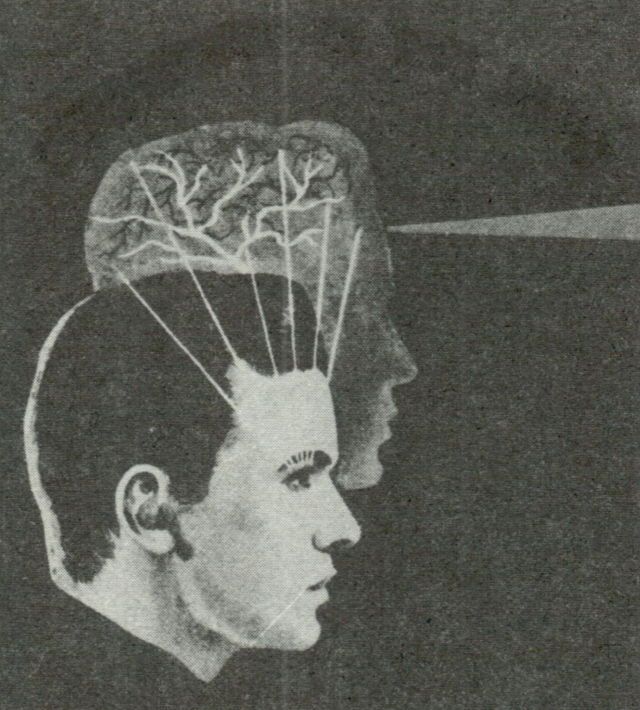
You see a brand once. Nothing happens. You see it again. It looks familiar. Again. Again. Again. Eventually, when you encounter that brand in a buying situation, it does not feel completely unknown. That familiarity can matter. This is why successful companies rarely advertise only once. They build consistency. Same logo. Similar colours. Recognisable typography. Repeated visual language. Repeated messages. Repeated presence. A brand is partly built through repetition, but meaningful repetition, not meaningless noise.
From Billboards to Digital Screens: The Advertisement Became Everywhere
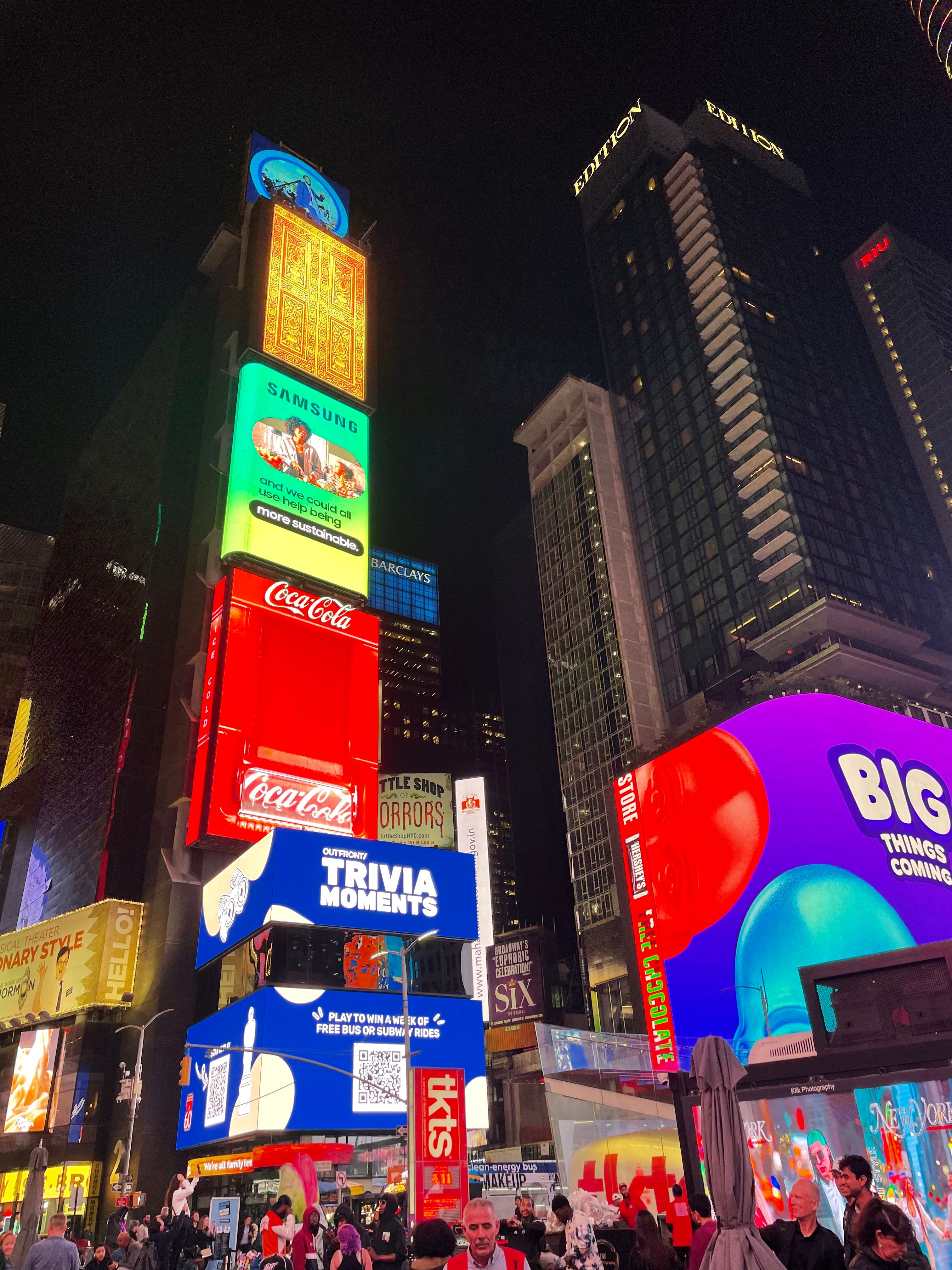
The digital revolution changed advertising again. Websites. Search engines. Social media. Mobile applications. Streaming platforms. Influencer marketing. Email marketing. Programmatic advertising. Digital billboards. LED displays. Interactive screens. Artificial intelligence. The advertisement became measurable in ways traditional media could rarely match. A business could now ask: Who saw it? Where were they? What did they click? What did they search? What did they purchase? How long did they watch? Which message performed better? Advertising became increasingly data-driven. But something interesting happened. Despite all the sophistication of digital advertising, The fundamental problem remained exactly the same as it was thousands of years ago: How do I earn your attention?
Digital Advertising Did Not Kill Outdoor Advertising
It transformed it. The rise of smartphones and social media did not make physical advertising irrelevant. Instead, the advertising ecosystem became larger. A person might see a brand on Instagram in the morning, encounter its website in the afternoon, pass its billboard on the way home and later search for it on Google. Different media. One brand. One memory. This is where out-of-home advertising, outdoor advertising, billboard advertising, digital signage and brand signage continue to have an important role. Outdoor advertising has one characteristic digital advertising cannot perfectly reproduce: physical presence. A billboard is not inside a browser. It is inside the world. It occupies space. It shares the environment with the audience. And when designed properly, it can become part of the visual identity of an entire location.
Why Outdoor Advertising Still Matters
Imagine driving into a new city. Before you know its streets, businesses or neighbourhoods, you begin seeing signs. Hotel signs. Restaurant signs. Retail signs. Corporate signs. Billboards. Direction signs. Building signage. LED displays. Those signs begin constructing your mental map. They tell you what exists. Where things are. What businesses are important. What brands are present. What kind of place you have entered. Outdoor advertising is therefore not merely advertising placed outdoors. It is advertising embedded in people's physical experience. And that changes the way it is perceived. A beautifully designed billboard can become a landmark. A well-executed shop sign can make a business look established. An illuminated sign can transform a building after sunset. A carefully designed corporate signage system can communicate professionalism before a single word is spoken. That is why signage is not decoration. It is communication.
The Evolution of Signage: From Identification to Brand Experience
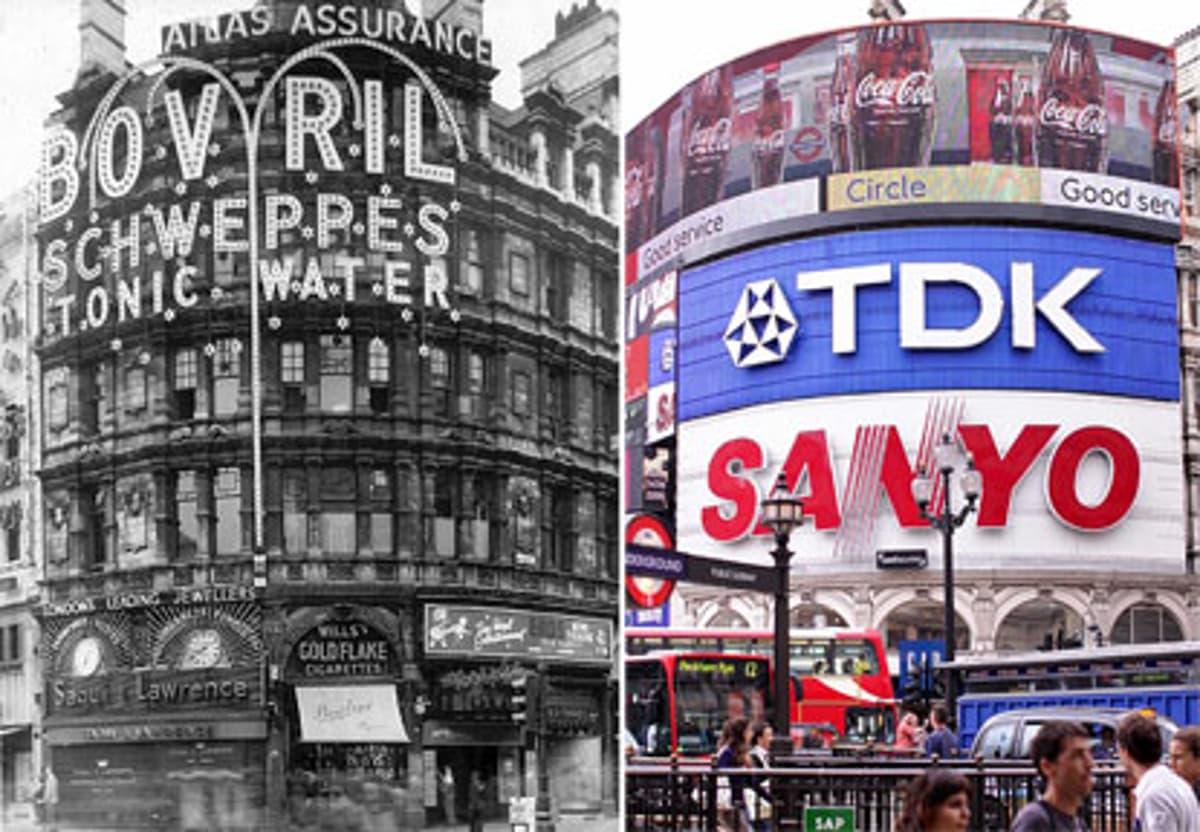
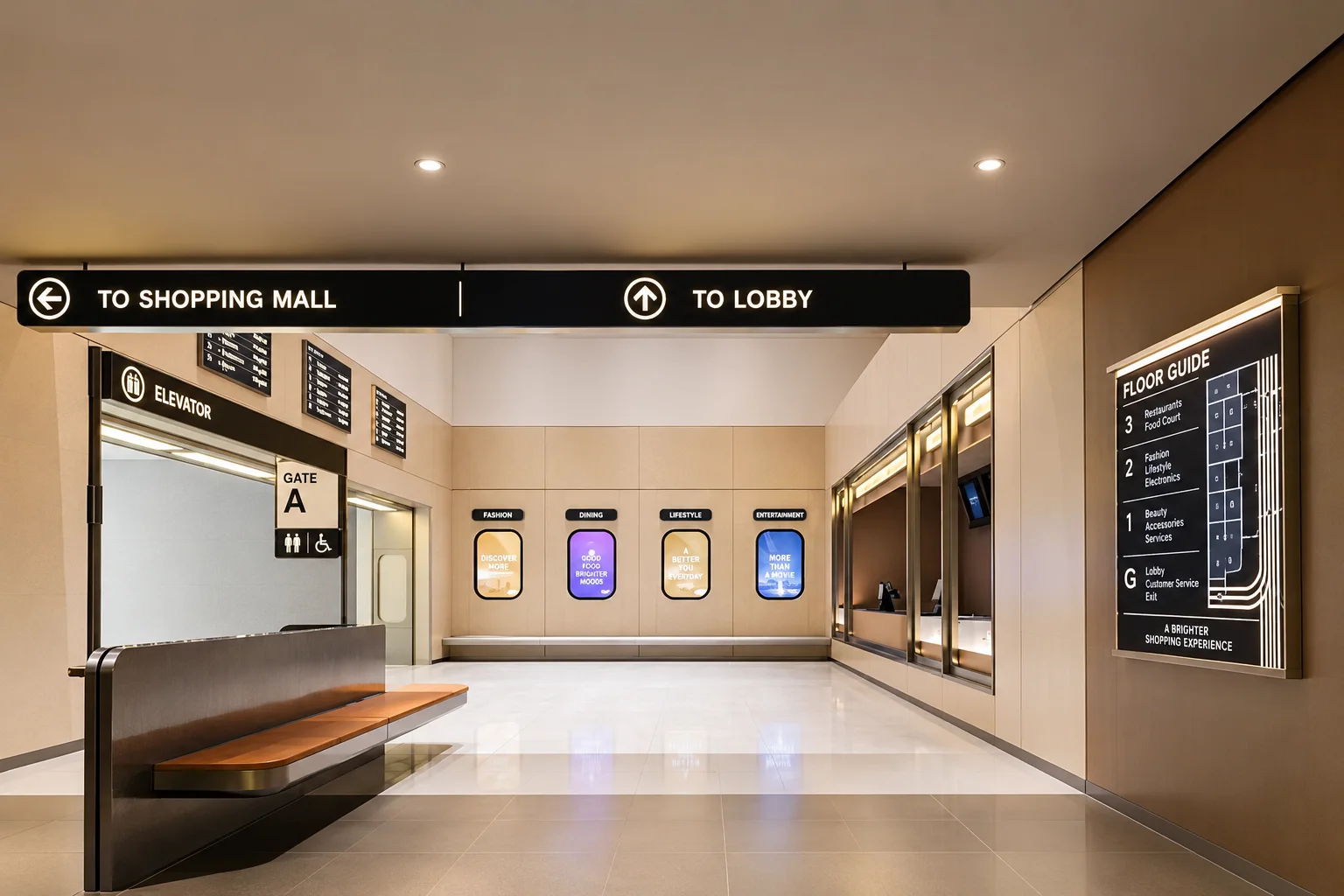
In the beginning, a sign mostly answered one question: “What is this place?” Today, a sign can answer much more. Who are you? What do you value? What kind of experience should customers expect? Are you premium? Modern? Traditional? Minimal? Bold? Innovative? Trustworthy? Luxury? A company's signage has gradually evolved from simple identification into brand experience. This is precisely where professional signage design, custom signage, business signs, corporate signage, indoor signage, outdoor signage, LED signage, 3D signage and architectural signage become important. The sign becomes the physical voice of the brand.
The Economics of Attention
Every business has a finite amount of money. Every consumer has a finite amount of attention. Advertising exists where those two limitations meet. A company invests money to obtain attention. The audience gives attention in exchange for something – information, entertainment, curiosity, emotion, usefulness or simply a moment of interest. That is why advertising is not merely an expense. When done correctly, it is an investment in visibility, recognition and future choice. But this also explains why bad advertising can be expensive. If the message is confusing, the design is weak, the placement is wrong or the brand is forgettable, money can be spent without creating meaningful memory. Visibility alone is not enough. The right message needs the right design. The right design needs the right medium. The right medium needs the right location. And all of them need a clear understanding of the audience.
And This Is Where Great Signage Becomes More Than a Sign
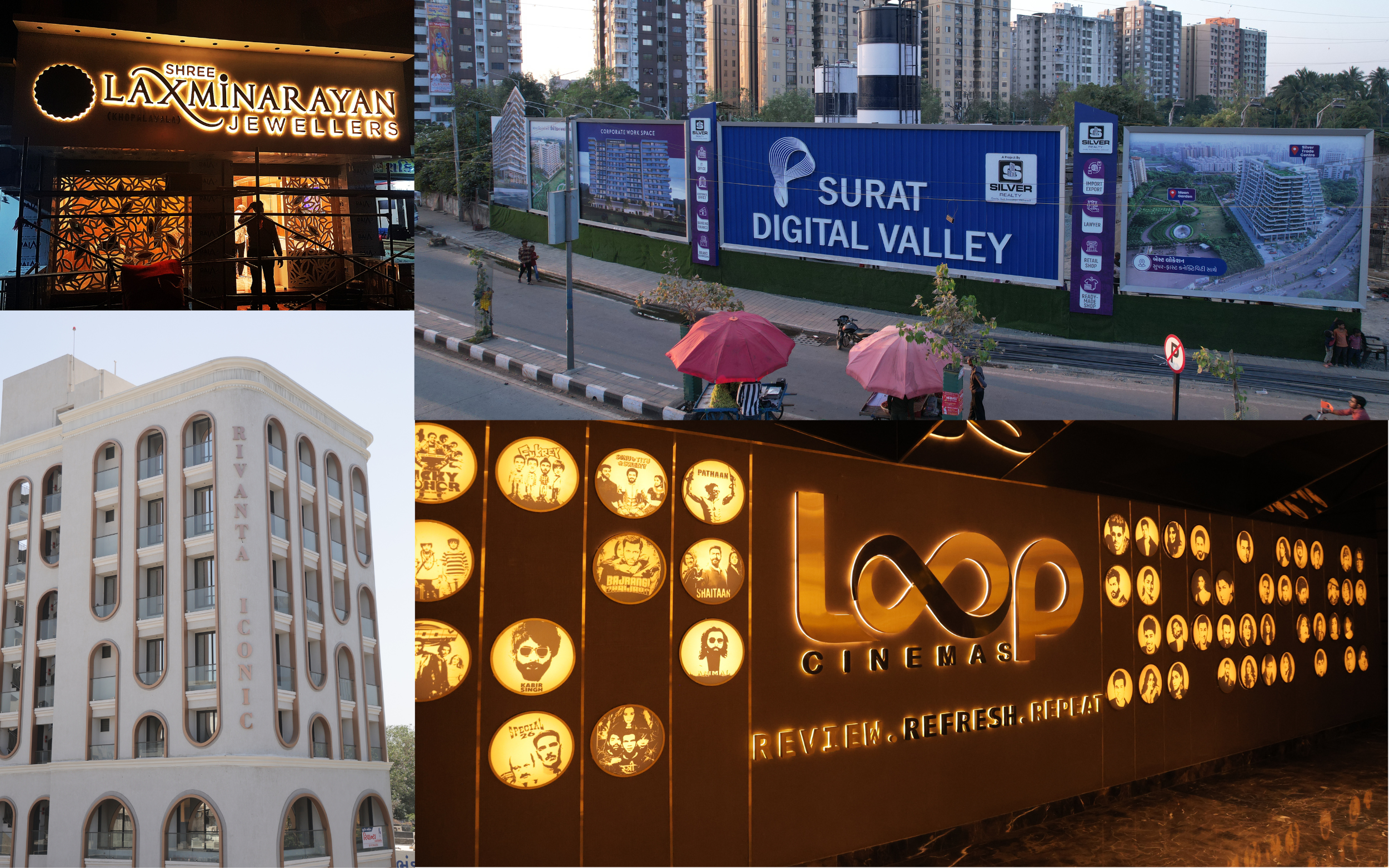
Think about the entrance of a premium hotel. A corporate headquarters. A modern retail store. A hospital. A restaurant. A showroom. A shopping centre. Before anyone speaks to the customer, the building is already communicating. The facade communicates. The entrance communicates. The lettering communicates. The illumination communicates. The materials communicate. The scale communicates. The spacing communicates. The colours communicate. The sign communicates. This is why professional signage is such an important part of modern advertising and branding. A business may spend millions developing its products, technology, interiors and customer experience. Yet the first thing many customers encounter is still remarkably simple: the sign.
The Future May Not Be About More Advertising
Perhaps the future belongs to better advertising. Not louder. Not bigger for the sake of being bigger. Not more intrusive. Not more complicated. Better. More relevant. More beautiful. More intelligent. More human. An advertisement should earn attention rather than simply demand it. A billboard should become a visual landmark rather than another rectangle in the landscape. A sign should strengthen architecture rather than fight it. A brand should become recognisable without becoming repetitive. And a message should remain in the mind long after the viewer has moved on.
So, Why Do We Advertise?
Because being excellent is not the same as being known. Because being known is not the same as being remembered. And being remembered is not the same as being chosen. Advertising exists somewhere between all three. It gives businesses a voice. It gives brands a personality. It gives products a story. It gives buildings an identity. It gives cities visual character. And, at its best, it gives people an idea they did not know they were looking for. From the ancient marketplace to the modern LED billboard, from hand-painted signs to digital screens, from newspaper advertisements to algorithmic campaigns, the technology has changed almost beyond recognition. But the human question has remained remarkably constant: “Why should I notice this?” That is the question every advertisement must answer. And perhaps that is why advertising has survived every technological revolution thrown at it. Because as long as humans compete for attention, businesses will compete for visibility. As long as businesses compete for visibility, brands will need stories. And as long as brands need stories, advertising will remain one of the most powerful forces shaping the way we see the world.
A Final Thought
"The consumer isn't a moron; she's your wife."
David Ogilvy
The history of advertising is, in many ways, the history of humanity learning how to make an idea travel. From a voice in a marketplace. To a painted wall. From a newspaper page. To a neon sign. From radio waves. To television screens. From billboards. To smartphones. And now, toward a world where physical and digital advertising increasingly exist together. The mediums will continue to change. The technology will continue to evolve. But one principle will remain: If you can earn attention, create meaning, and stay in memory – you can make a brand part of someone's world. And that is what great advertising has always tried to do. Not merely to sell. To be remembered.
Planning signage of your own?
Get a quote→